
OSHA 300 Logs and MSHA Quarterly Reporting: What Strong Safety Programs Get Right
Read Time: 7–8 minutes
Every contractor says they care about safety. But when I walk into an operation, I can tell very quickly how seriously safety is taken by how incident reporting is handled. OSHA 300 logs and MSHA quarterly reporting are often treated like administrative chores, something to rush through at the end of the month or quarter. In reality, these records say far more about a company’s safety culture than most people realize.
Every contractor says they care about safety. But when I walk into an operation, I can tell very quickly how seriously safety is taken by how incident reporting is handled. OSHA 300 logs and MSHA quarterly reporting are often treated like administrative chores, something to rush through at the end of the month or quarter. In reality, these records say far more about a company’s safety culture than most people realize.
As President of Kelly Safety, I’ve seen reporting done well, and I’ve seen it done just well enough to stay out of trouble. The difference between the two shows up in injuries, enforcement actions, and long-term trust with workers. These logs aren’t just compliance requirements, they’re indicators of whether a safety program is actually working.
Why OSHA and MSHA Care So Much About Reporting
OSHA and MSHA don’t require recordkeeping because they enjoy paperwork. They require it because injury and illness data tells a story. Patterns emerge when reporting is accurate and consistent, patterns that can reveal training gaps, equipment issues, supervision problems, or cultural breakdowns before something serious happens.
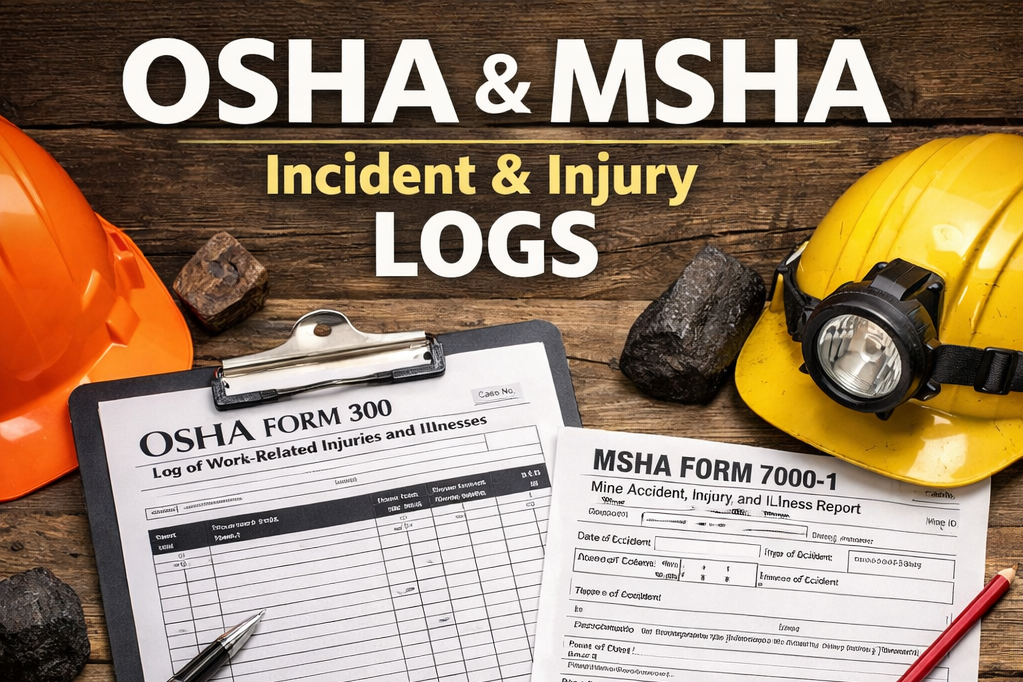
OSHA’s recordkeeping requirements, including the OSHA 300 Log, are designed to help employers track work-related injuries and illnesses and identify trends that need attention. According to OSHA’s own guidance, effective recordkeeping is a foundational part of any injury and illness prevention program.
https://www.osha.gov/laws-regs/regulations/standardnumber/1904
MSHA takes a similar approach but applies it through quarterly reporting requirements that focus on mining-specific hazards and exposures. These reports help regulators and operators monitor injury rates, lost-time incidents, and patterns across mine sites.
https://www.msha.gov/mine-data-retrieval-system
When reporting is treated seriously, it becomes a management tool—not just a regulatory obligation.
What OSHA 300 Logs Reveal About Your Operation
The OSHA 300 Log is more than a list of injuries. It’s a snapshot of how work is actually being performed. Frequent strains, repetitive injuries, or recurring equipment-related incidents usually point to systemic issues; not bad luck.
What concerns me most is when companies underreport or misclassify incidents to “keep numbers low.” That mindset almost always backfires. Inaccurate logs don’t protect a company, they expose it. OSHA routinely reviews logs during inspections, and inconsistencies between reported injuries, workers’ compensation claims, and medical records are a red flag that can trigger deeper scrutiny.
Research from the National Institute for Occupational Safety and Health (NIOSH) reinforces that accurate injury reporting is directly tied to effective hazard recognition and prevention. When data is wrong, safety decisions are wrong.
https://www.cdc.gov/niosh/topics/surveillance
MSHA Quarterly Reporting Is a Culture Check
In mining, MSHA quarterly reporting serves a similar purpose but under much harsher conditions. Mining environments change constantly, ground conditions shift, equipment cycles intensify, and crews rotate. Quarterly reporting forces operators to pause and evaluate what’s really happening on site.
When those reports are rushed or treated as routine, opportunities to correct dangerous trends are missed. When they’re reviewed thoughtfully, they can drive real improvement in training, supervision, and hazard control.
MSHA has repeatedly emphasized that accurate reporting is critical to identifying high-risk operations and preventing serious incidents before they escalate.
https://www.msha.gov/regulations/compliance-guide
From my experience, the mine operators who take quarterly reporting seriously are the same ones who invest in consistent training, communication, and leadership presence in the field.
Why Reporting Breaks Down in the Real World
Most reporting failures aren’t intentional. They happen because safety systems are stretched thin. Supervisors are busy. Forms pile up. Questions go unanswered. Decisions get delayed.
This is where strong safety management makes the difference. Companies that rely on memory, spreadsheets, or one overworked safety coordinator struggle to keep reporting accurate. Companies with structured systems don’t.
That’s one of the reasons we built the Kelly Safety Membership, to give contractors ongoing support, guidance, and structure instead of leaving them to figure it out alone. When safety management is consistent, reporting becomes easier, more accurate, and more valuable.
https://www.kellysafety.com/membership
Reporting Should Drive Action, Not Fear
One of the biggest mistakes companies make is allowing reporting to become punitive. When workers fear that reporting injuries will get them in trouble, incidents get hidden. That’s when small issues turn into serious injuries.
OSHA and MSHA both stress the importance of non-retaliatory reporting systems. A safety program that encourages honesty without blame, builds trust and leads to better outcomes.
https://www.osha.gov/workers
When reporting is viewed as a learning tool, not a punishment, workers speak up earlier and supervisors respond faster.
Strong Reporting Requires Ongoing Training and Support
Accurate OSHA and MSHA reporting doesn’t happen once a year. It requires regular training, refresher conversations, and clear processes that everyone understands. Supervisors need to know what’s recordable. Workers need to know when and how to report. Leadership needs to review trends and act on them.
This is where pairing training with ongoing support makes sense. Many contractors combine structured reporting processes with continuous training through our Training Subscription, ensuring teams stay aligned as regulations and job conditions change.
https://www.kellysafety.com/subscription
Training builds knowledge. Systems sustain it.
Conclusion: Reporting Reflects Leadership
OSHA 300 logs and MSHA quarterly reports are mirrors. They reflect how seriously leadership takes safety, how comfortable workers feel reporting issues, and how proactive a company is about preventing injuries.
When reporting is accurate, timely, and reviewed with purpose, it becomes one of the strongest tools a safety program can have. When it’s rushed or ignored, it becomes a liability.
If you want safer jobsites, fewer incidents, and stronger compliance, start by treating reporting as what it really is a leadership responsibility. The numbers don’t just tell regulators how you’re doing. They tell your workers whether safety truly matters.
That’s the standard we believe in at Kelly Safety and it’s the standard we help contractors build every day.