

Safety blog
Kelly Safety Blog – Safety Insights for OSHA, MSHA & Jobsite Culture
Welcome to the Kelly Safety Blog: your source for OSHA/MSHA updates, thinking tools, hazard prevention strategies, and safety culture insights tailored for contractors and safety professionals.

ISNetworld compliance support for contractors: A Guide
Get practical ISNetworld compliance support for contractors with clear steps on managing requirements, documents, and client expectations.

Personal Protective Equipment Training: A Field Guide for Employers
Build practical personal protective equipment training around hazard assessment, fit, safe use, inspections, storage, and clear employer responsibilities.

Personal Protective Equipment Training: A Field Guide for Employers
Build practical personal protective equipment training around hazard assessment, fit, safe use, inspections, storage, and clear employer responsibilities.

Construction Safety Week: A Practical Planning Guide for Contractors
Plan Construction Safety Week with a practical schedule, toolbox talks, worker involvement, and follow-through steps that keep safety active all year.

Online OSHA Focus Four Training: A Practical Guide
Online OSHA Focus Four training helps construction crews spot hazards and prevent injuries with practical, accessible lessons for safer worksites.

Bulk Workplace Safety Training for Employees: A Guide
Get practical tips on bulk workplace safety training for employees, including course selection, enrollment, tracking progress, and supporting team compliance.

Online OSHA Training in Spanish: A Practical Guide
Find out what online OSHA training in Spanish covers, how to choose the right course, and what to check before enrolling for workplace safety.


Workplace Violence Prevention Training: A Practical Program Guide
Build workplace violence prevention training around real job risks, clear reporting, response roles, and follow-up—while keeping site plans specific.

Avetta Compliance Support for Contractors: A Practical Guide
Get clear, actionable steps on Avetta compliance support for contractors, from onboarding to document management and meeting client requirements.

OSHA 10 vs OSHA 30: Which Card Do You Need?
Compare OSHA 10 and OSHA 30 by audience, course hours, topics, cost, and job requirements so you can choose the training that fits your role.

MSHA Training in Spanish: What Crews Need to Know
Learn how to choose Spanish-language MSHA training, distinguish Part 46 from Part 48, and confirm that each miner understands required safety instruction.

OSHA injury recording and reporting training: Key Rules
Learn the key OSHA injury recording and reporting rules, forms, deadlines, privacy requirements, and training practices employers can use to keep records accurate.

MSHA Part 48 Training: Who Needs It and What It Covers
MSHA Part 48 training covers safety requirements for miners and contractors. Find out who needs it, what’s included, and how to meet compliance.

OSHA Training Requirements: A Practical Employer Guide
Get clear answers on OSHA training requirements for employers. Learn how to match training to hazards, track completions, and keep your team safe.

OSHA Training Online: What to Know Before You Enroll
Get clear answers about OSHA training online, including course options, requirements, and what to expect before you enroll in your next safety course.

OSHA Compliance: A Practical Guide for Employers
Get clear, actionable steps for OSHA compliance. Learn employer responsibilities, training tips, and recordkeeping essentials to keep your workplace safe.

MSHA Training: Part 46 vs. Part 48 Explained
Get clear answers on MSHA training requirements. Learn the differences between Part 46 and Part 48, and find out which rules apply to your mining job.
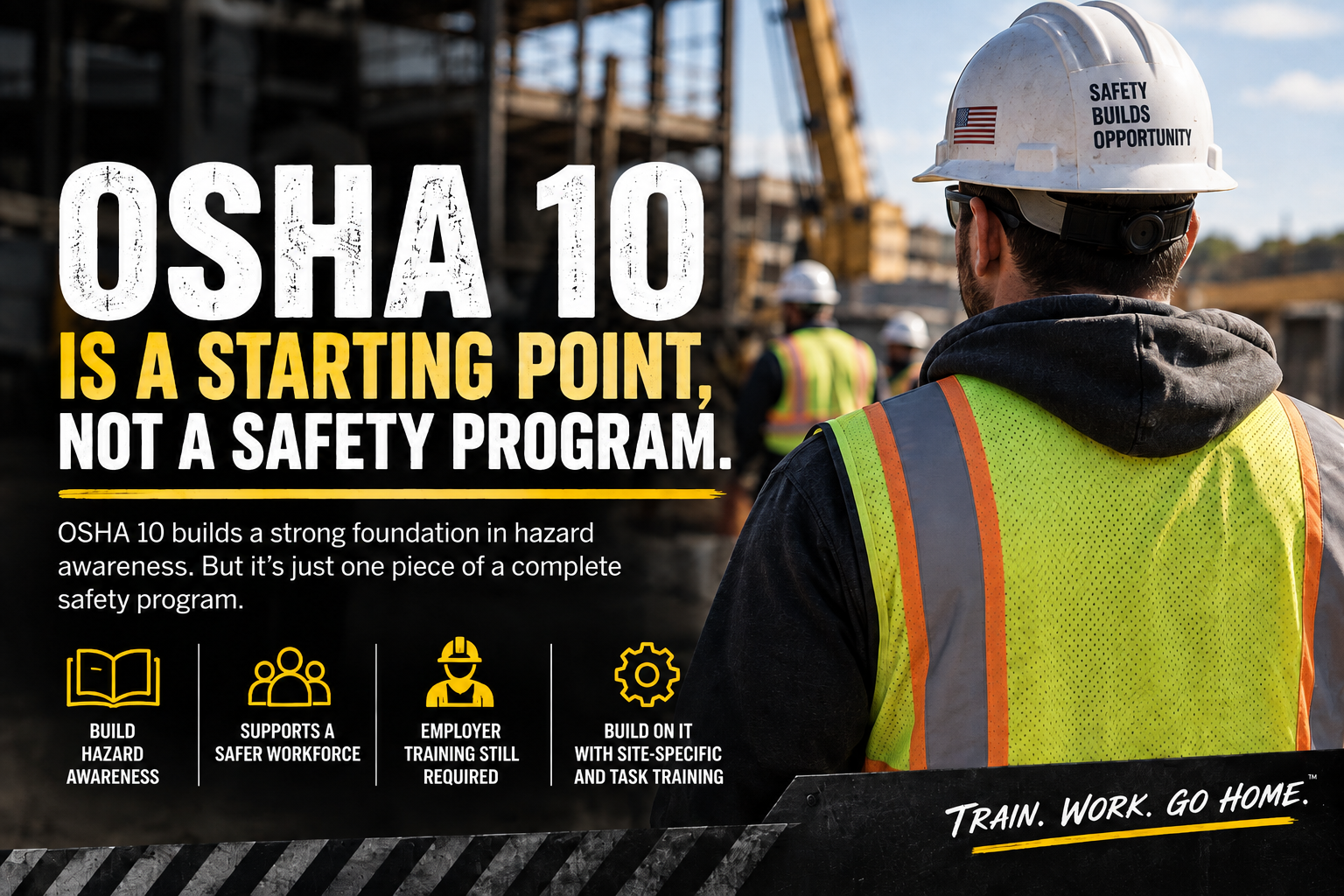
OSHA 10 Is a Starting Point, Not a Safety Program
OSHA 10 provides workers with an important foundation in hazard recognition and workplace safety, but the training was never intended to replace employer, jobsite, or task-specific training. Here’s why contractors should treat OSHA 10 as the starting point for building a safer, better-prepared workforce.

Lockout/Tagout Fails When the Procedure Doesn't Match the Work
A written Lockout/Tagout program can look complete on paper and still fail in the field. When equipment changes, procedures become outdated, or experienced employees begin relying on shortcuts, dangerous gaps can develop between the program and the work. Here's why effective LOTO depends on accurate procedures, proper training, and verification before maintenance begins.